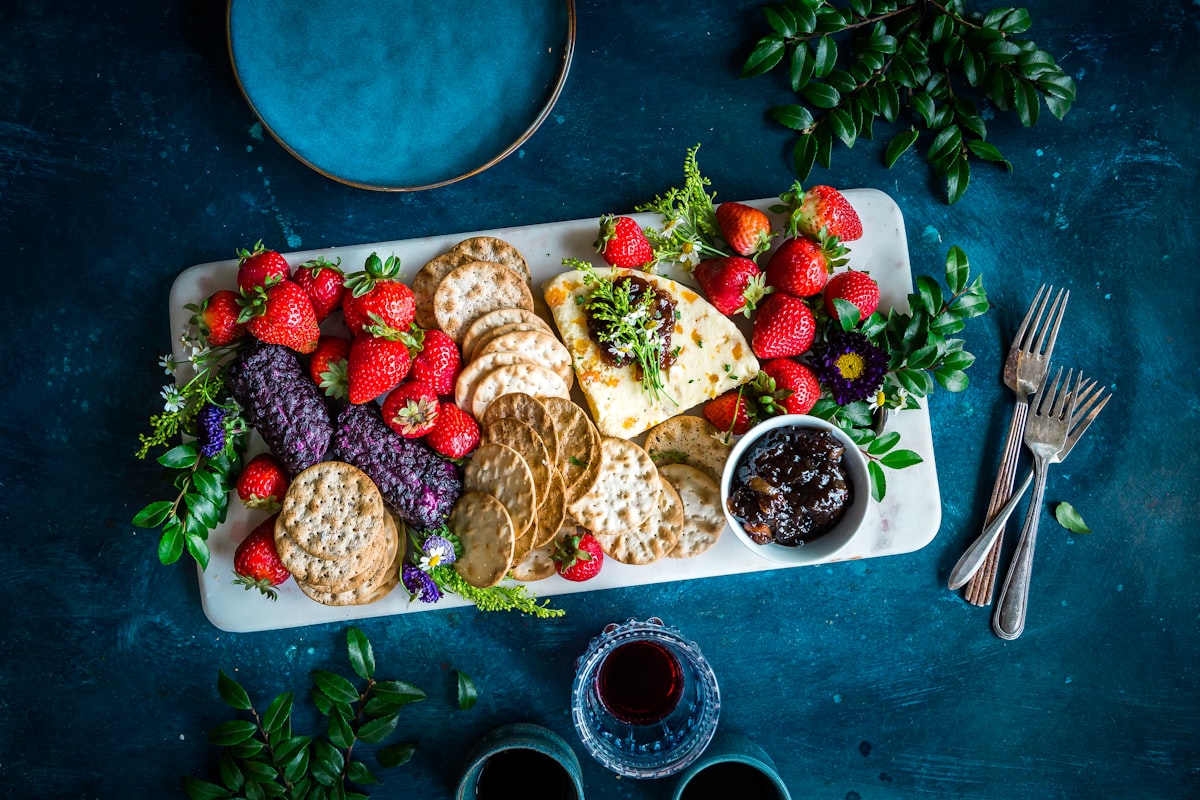
The journey is the hard part
A picnic rarely fails because the food was bad. It fails because a container tipped over on a roundabout, a bag of crisps was crushed under a cooler, or the dressing soaked into the leaves during a forty-minute drive. Packing for transport is a completely separate skill from packing for eating, and it is the one most people skip. Ten minutes of thought before the basket goes into the car is the difference between unpacking a meal and unpacking a mess.
Pack in reverse order of use
Whatever you need first should come out last. The blanket, the wipes and a bin bag go in on top; drinks and dessert go in at the bottom. This sounds obvious until you are kneeling in a car park excavating a hamper to find the bottle opener while everyone else waits. A basket packed in reverse order lets you set up in a single pass: blanket down, plates out, food out, and you are eating. The same logic applies to the cooler — put the things you will reach for repeatedly, like drinks, in the top layer, and the things you will open once at the bottom. Every unnecessary rummage lets warm air in and puts something breakable back down on uneven ground.
Rigid containers beat bags for anything soft
Sandwiches, pastries, tomatoes and berries need walls. A hard-sided container costs you a little volume and saves you the entire dish. Wrap sandwiches individually in paper or beeswax wrap and then stand them upright in the container like files in a drawer — stacked flat, the bottom one always arrives compressed into something sad. Soft fruit travels best in a shallow single layer rather than piled deep, and anything with a delicate top, like a tart, deserves its own box with nothing resting on it. If you are short of containers, the empty space at the top of a rigid box can be padded out with a rolled napkin so the contents cannot bounce.
Dress salads at the table, never at home
Carry dressing in a small screw-top jar or a leakproof condiment pot and pour it on site. The same principle applies to anything with a sauce: keep the wet and the dry apart until the moment you eat. Leaves that travel dry stay crisp for hours; leaves that travel dressed are wilted before you park. If you must transport something already dressed, use a container with a proper gasket lid, lay it flat rather than on its side, and put it inside a second bag as insurance. Test any new container at home with plain water and a good shake before you trust it with vinaigrette in a bag full of clean napkins.
Fill the gaps so nothing can move
Empty space is what lets things slide, tip and open. Once the basket or cooler is loaded, wedge napkins, a folded tea towel or a bag of rolls into whatever room is left. Then shake the whole thing gently before it goes in the car — if you can hear things shifting, keep packing. The same test works for the cooler, and there it earns you a second benefit: a full cooler holds its temperature far better than a half-empty one, because there is less warm air to re-chill every time the lid comes off. Heavy items go low and central, near the base, so the load cannot become top-heavy on a corner.
Load the car flat, and finish the prep at home
The boot floor is better than the back seat, and flat is better than wedged at an angle. Keep the cooler out of the sunlight coming through the rear window, and do not leave a loaded car parked in the sun while you take a detour — the inside of a car in summer climbs far faster than the temperature outside it. On a long drive, keep the cooler in the air-conditioned cabin rather than a hot boot. Finally, slice the bread, portion the fruit and pre-chill the drinks before you leave. Arriving is not the time to discover you need a chopping board, and a picnic that requires no preparation on the grass is a picnic you will happily repeat next weekend.